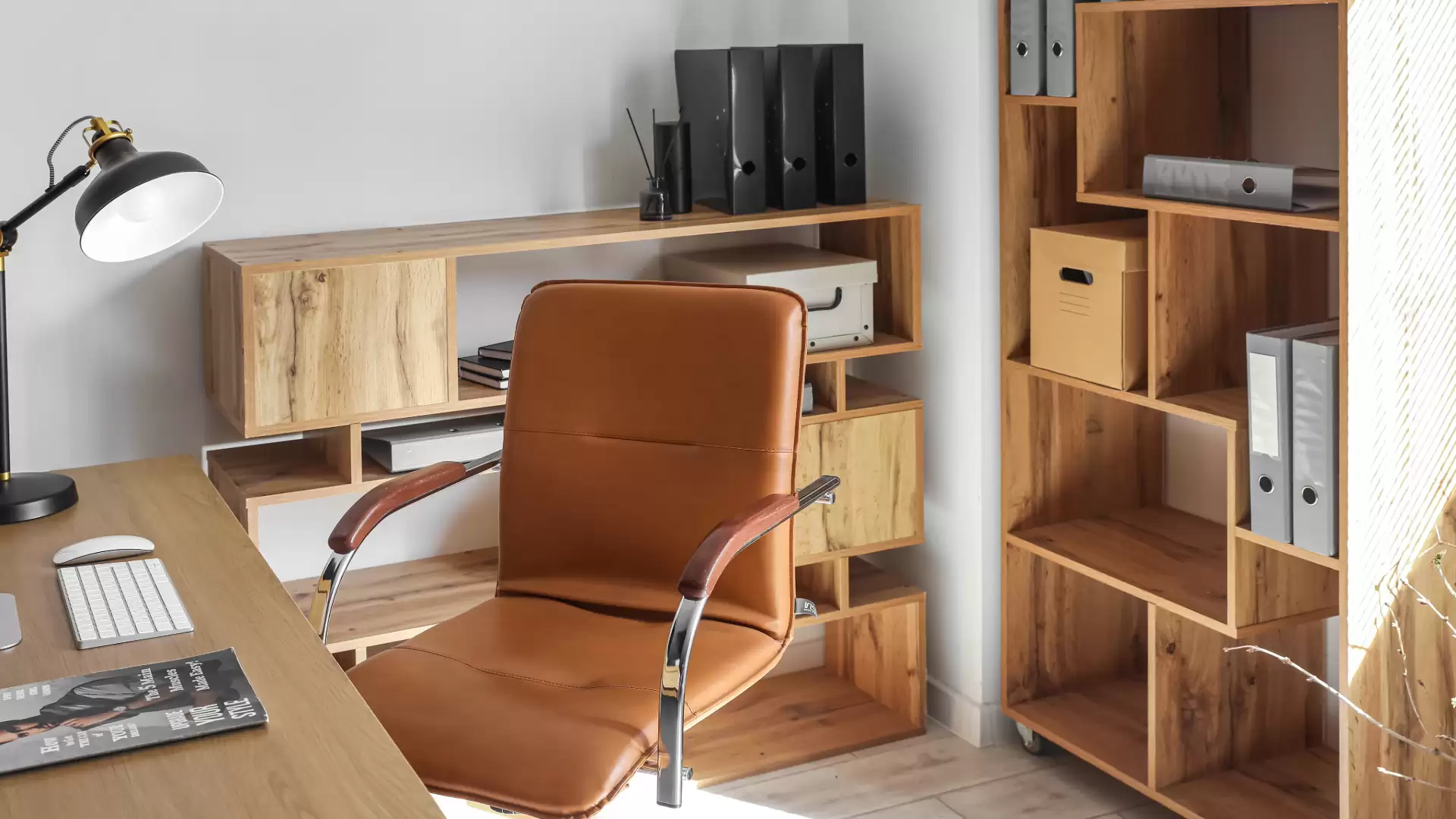

Asset finance for office refurbishment allows businesses to spread the cost of furniture, fixtures, technology equipment, and fit-out work across fixed monthly repayments rather than paying upfront.
Office upgrades often involve substantial outlay for items like workstations, partitioning systems, audiovisual equipment, kitchen installations, and climate control units. Paying cash depletes reserves that could otherwise support payroll, stock, or new contracts. Financing these assets preserves working capital while allowing your team to work in a space that supports productivity and client presentation.
The structure you choose affects tax treatment, ownership timing, and how quickly you can upgrade again when your business outgrows the fit-out. Each option serves different planning horizons and cashflow priorities.
How Chattel Mortgage Works for Office Fit-Outs
A chattel mortgage transfers ownership of the equipment to your business immediately, with the lender holding security over the assets until the loan is repaid. You claim the full purchase price as a depreciating asset and deduct interest as an expense. GST is paid upfront and claimed back in your next Business Activity Statement.
Consider a professional services firm refurbishing 300 square metres in Fortitude Valley. The fit-out includes modular workstations, boardroom AV systems, kitchen equipment, and reception furniture totalling $180,000 plus GST. Under a chattel mortgage, the business claims the $180,000 as a depreciating asset. Depreciation rates depend on the asset class, but most office furniture and equipment falls between 10% and 40% per year under ATO guidelines. The firm also deducts monthly interest payments as an operating expense.
Fixed monthly repayments make budgeting predictable. A balloon payment at the end of the term reduces the regular payment amount, which can help manage cashflow during the first years after a refurbishment when you may still be paying other fit-out costs or adjusting to higher rent.
Finance Lease Versus Hire Purchase
Under a finance lease, the lender owns the equipment during the lease term and you make regular payments to use it. At the end, you typically pay a residual amount to take ownership or return the equipment. Lease payments are fully tax-deductible as an operating expense, and you do not claim depreciation because you do not own the asset during the lease.
Hire purchase transfers ownership at the end of the agreement once all payments are complete. You claim depreciation and deduct interest, similar to a chattel mortgage, but there is no balloon payment. Instead, the purchase price is divided into equal instalments.
The choice depends on whether you want to claim depreciation now or prefer full deductibility of payments without showing the asset on your balance sheet. Businesses that refit every few years and do not want long-term ownership often favour a finance lease. Firms planning to keep the furniture and equipment long-term typically choose a chattel mortgage or hire purchase.
Structuring Repayments Around Cashflow Cycles
Refurbishment costs cluster in a short period, but the benefit extends across several years. Matching repayment terms to the expected life of the assets avoids paying for expired equipment while funding the next upgrade.
Office furniture and partitioning systems generally last five to seven years before wear or changing team size prompts replacement. Technology equipment like screens, video conferencing units, and access control hardware often needs upgrading every three to four years. Splitting your finance across two facilities, one for furniture and another for technology equipment, allows you to match the term to the upgrade cycle.
A three-year term on AV and IT hardware means you finish repayments around the time that equipment becomes outdated. A five or seven-year term on furniture and fixed installations spreads the cost across the useful life without leaving you paying for items already replaced.
Balloon payments reduce the regular repayment amount but require you to either refinance the residual, pay it from cashflow, or sell the equipment at the end of the term. Setting a balloon at 20% to 30% of the loan amount can ease monthly commitments during the first years after refurbishment when outgoings are highest.
GST Treatment and Timing
Under a chattel mortgage or hire purchase, you pay GST upfront and claim it back in your next BAS. Under a finance lease, GST is included in each lease payment and claimed progressively over the life of the lease.
The upfront GST treatment under a chattel mortgage can create a cashflow benefit if your business is GST-registered and lodges quarterly or monthly. You recover the GST within weeks of settlement, reducing the net cost of the refurbishment in the first period.
If cashflow is constrained immediately after the fit-out, a finance lease spreads the GST impact across the term. This avoids a large upfront GST payment but delays the full input tax credit.
What Lenders Include as Refurbishment Assets
Lenders finance items that can be clearly identified, valued, and removed if necessary. This includes modular furniture, freestanding partitions, kitchen equipment, AV systems, and movable fixtures. Structural work like flooring, painting, and fixed cabinetry is generally excluded unless it forms part of a leasehold improvement loan, which is a different product.
If your refurbishment combines equipment and structural work, separating the two allows you to finance the equipment under an asset facility and fund the structural component through a commercial loan or working capital line. This preserves capital while keeping each funding type aligned with the asset it supports.
Vendor finance or dealer finance is sometimes offered by suppliers of office furniture or technology systems. These arrangements can be faster to settle, but the interest rate and terms are often less flexible than a facility arranged through a commercial equipment finance broker who can access multiple lenders.
When to Finance Versus Pay Cash
Financing makes sense when the cost of the refurbishment would materially reduce your cash reserves or when deploying that capital elsewhere generates a return higher than the cost of borrowing. It also suits businesses that prefer consistent monthly expenses over lumpy capital outlays.
Paying cash avoids interest costs but reduces liquidity. If your business operates on project-based revenue or carries stock, holding cash provides a buffer during slow periods. Committing $150,000 to office furniture leaves less available for payroll, supplier payments, or unexpected opportunities.
Tax treatment also affects the comparison. Depreciation is available whether you pay cash or finance, but interest deductions under a loan reduce taxable income further. The net tax benefit depends on your marginal rate and the structure you choose.
You retain more flexibility with asset finance. If business conditions change, you can refinance or adjust the balloon payment at the end of the term. Cash spent on a fit-out is locked in, and recovering value from used office furniture is difficult.
Contact one of our team or book an appointment at a time that works for you. We compare commercial equipment finance options from lenders across Australia and structure repayment terms around your business needs and upgrade cycle.
Frequently Asked Questions
Can I finance both furniture and structural work under asset finance?
Asset finance covers movable items like furniture, partitions, AV systems, and kitchen equipment. Structural work such as flooring, painting, and fixed cabinetry typically requires a separate commercial loan or leasehold improvement facility.
What is the difference between a chattel mortgage and a finance lease for office refurbishment?
A chattel mortgage transfers ownership immediately and allows you to claim depreciation and deduct interest. A finance lease keeps ownership with the lender during the term, and lease payments are fully tax-deductible as an operating expense.
How does GST work with office equipment finance?
Under a chattel mortgage or hire purchase, GST is paid upfront and claimed in your next BAS. Under a finance lease, GST is included in each payment and claimed progressively over the lease term.
Should I use a balloon payment on office refurbishment finance?
A balloon payment reduces your regular repayment amount, which can help manage cashflow in the first years after refurbishment. You will need to refinance, pay the residual, or sell the equipment at the end of the term.
How long should the finance term be for office equipment?
Match the term to the expected life of the assets. Office furniture typically lasts five to seven years, while technology equipment may need replacing every three to four years. Splitting finance across different terms avoids paying for outdated equipment.